Unity School Inc
580 N. Garden Way, Eugene,Oregon
Unity's Garden
Did you know flowers, plants, and digging in the dirt help to increase your serotonin levels?


Click on the slideshow
to expand
and go at your
own pace.
What better way to get a feel for our magical garden than to take a moment here to watch the slideshow...
The garden plays a special role at Unity School. In fact, it serves several purposes.
Our school and property are remnants of a farm that is nearly 100 years old. The original house was built in 1928, and a garden has been located here for most of that time. Respecting and caring for this heritage is an important responsibility of our garden.
We cultivate our garden using organic methods, aiming to create a sustainable system for growing food, herbs, and flowers for both the classroom and our families. By working in the garden alongside staff, teachers, parents, and children, we deepen our understanding of our responsibilities to the Earth and all living beings.
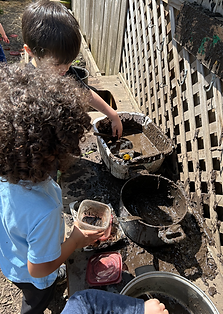
The garden serves as an essential classroom where children learn daily about nature, the origins of food, the changing seasons, the elements, and the cycle of life in our world. We use the Tend, Gather, Grow curriculum, which was created by a team of Native and non-native educators and is designed for both Native and non-native schools and teachers. The curriculum focuses on native and naturalized plants of the Pacific Northwest. Although this curriculum is intended for grades K-12, we have successfully adapted many of its lessons for our preschoolers, and use a lot of the social and emotional learning with our plant companions. Through hands-on lessons from Tend, we explore themes in cultural ecosystems, plant technologies, tree communities, and wild food traditions. The herbal medicine side of Tend is highlighted by making holistic medicine, food, and body products to sell in our small Garden Shop to families and staff, and is a wonderful piece of our fundraising.
Northwest Native American plant knowledge and stories are all throughout the curriculum and the curriculum offers more than sixty lessons to use in our garden. It’s also important for non-native educators to recognize and acknowledge the stories and lesson, by telling the students where it originated and the story tellers name, but also by studying the teacher guide, watching the video Honoring Plants, Places, and Cultural Traditions, and taking a multiple-choice quiz before moving forward. On top of that, the Unity garden manager/program director completed a year-long training course to properly introduce the Tend curriculum. Unity considers this curriculum as a very special gift and has every intention of honoring it.
We are committed to enhancing our garden and grounds by incorporating more Pacific Northwest (PNW) native plants and berries. In 2025, we began cultivating our own camas bed to support the transition to native shrubs and plants on our property. In the spring of 2026, we plan to add more native berries, including another type of huckleberry and some salmonberries. We also want to turn our amazing playground area into a more native, shrub-driven scape, along with its own garden to explore without instruction. Our goal each year is to introduce as many native plants and first foods as possible.
Another beautiful aspect of the Tend, Gather, Grow initiative is the idea of reciprocity among all living beings, along with the social and emotional lessons our plant companions teach us, and we want to help kids fall in love with nature at a very young age to honor it for the rest of their lives.
Plants are our first teachers, and as a community, we come together to plant, water, weed, and harvest. We also prepare food (which we consider our first medicine) and teach the children the art of using plants and flowers in everyday life, such as creating dyes for our clothing. We engage in various other creative activities in and around our garden. It is thrilling to see children of all ages (2-11) discover that they can eat maple tree flowers in pancakes and use plants to dye clothes and materials! Or simply smell a plant like lavender or lemon balm to calm themselves.
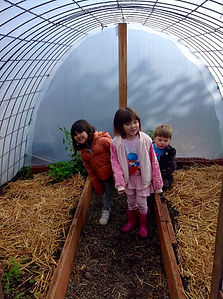
During late winter, we use our solarium and greenhouse not only to grow seedlings for our garden but also to provide homes for our lemon, avocado, lemongrass, eucalyptus, and other warmth-loving plants. We hold lessons in the greenhouse and love seeing the excitement on children’s faces as they watch our seedlings sprout quickly.
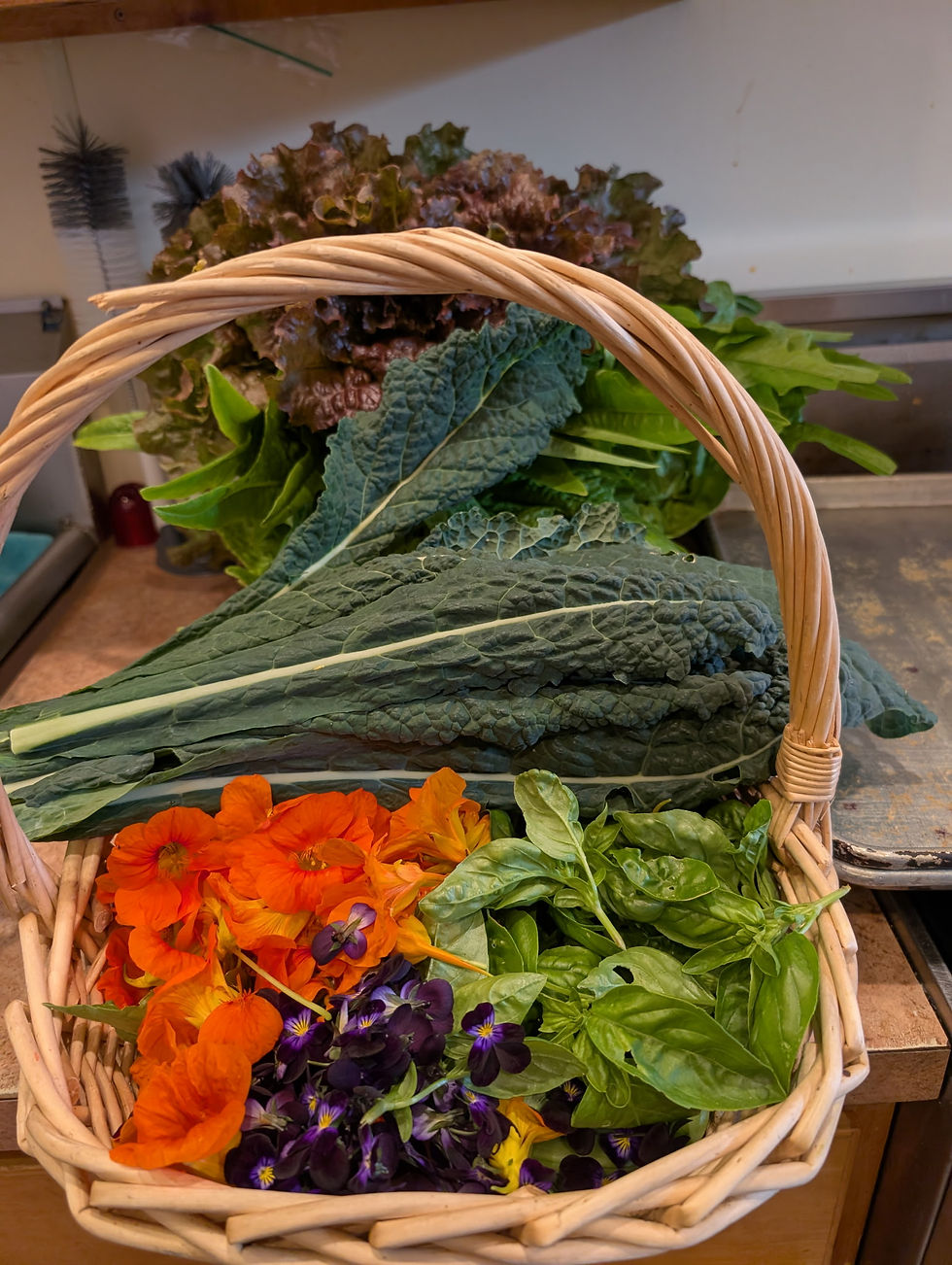
Our garden also produces organic food to compliment our meals at Unity, and we aim to grow more each year. We enjoy the fruits and vegetables we harvest, incorporating them into our lunches or enjoying them as snacks. The children are involved in the entire process, from planting to watering, from harvesting to eating the fresh produce. It’s much more enjoyable to eat broccoli when you’ve just helped pick it from the garden that morning.
If you ever want to volunteer in the garden, please get in touch with one of the directors. There’s always plenty to do there!